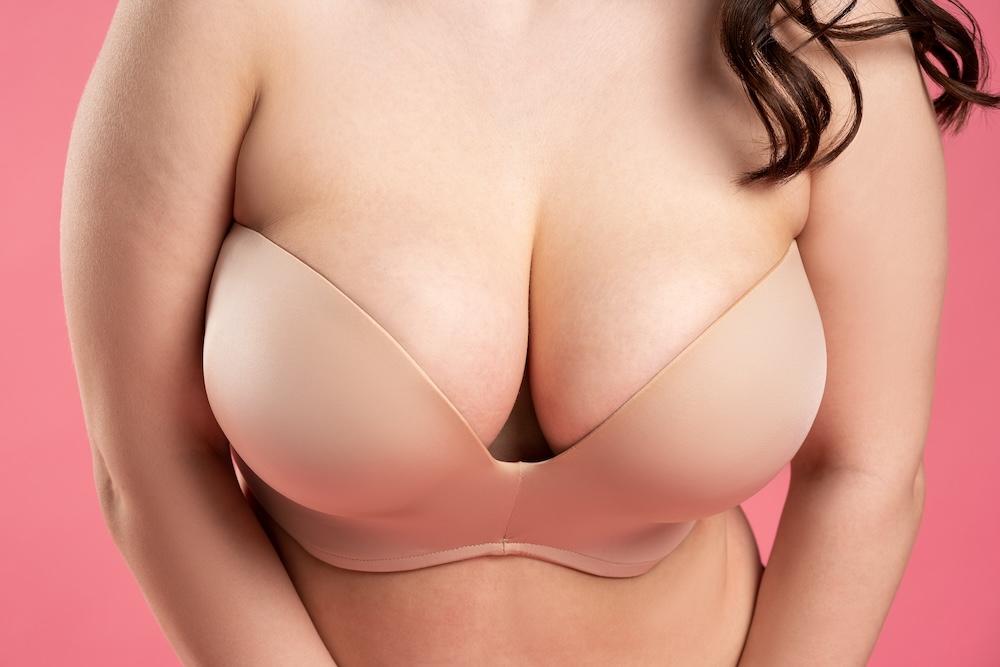
Breast size and weight can change throughout a woman’s life, and many patients notice their breasts becoming larger, heavier, or more pendulous as they age. While this can be frustrating, especially if it leads to discomfort or difficulty finding supportive clothing, it’s also a very common and natural process. Several biological and lifestyle factors contribute to these changes over time.
Hormonal Changes Play a Major Role
One of the most significant influences on breast size is hormones. Throughout life, estrogen and progesterone levels fluctuate, affecting the composition of breast tissue. During perimenopause and menopause, these hormonal shifts can lead to changes in the balance between glandular tissue and fat within the breasts.
As estrogen levels decline, glandular tissue often decreases while fatty tissue becomes more prominent. Since fat can be less dense but more voluminous, this transition may cause the breasts to appear larger, heavier, or less firm.
Weight Fluctuations
Weight gain is another common reason breasts become larger over time. Because breasts contain a significant amount of fatty tissue, any increase in overall body weight can lead to an increase in breast size. Even modest weight changes can be noticeable in the breasts, especially for individuals who naturally carry more fat in that area.
Conversely, weight loss may reduce breast size, but it can also contribute to sagging, particularly if the skin has already been stretched and lost some of its elasticity.
Pregnancy and Breastfeeding
Pregnancy and breastfeeding can have a lasting impact on breast size and shape. During pregnancy, hormonal changes stimulate the growth of milk-producing glands, often causing the breasts to enlarge significantly.
After breastfeeding, some women find that their breasts return to a similar size as before, while others notice that they remain larger; or, in some cases, they appear deflated but heavier due to stretched skin and altered tissue composition.
Skin Elasticity and Aging
As we age, our skin naturally loses collagen and elastin, which are responsible for firmness and elasticity. This affects the breasts just like any other area of the body. Over time, the skin may stretch and become less able to support the underlying tissue. Combined with gravity, this can lead to breasts that feel heavier and appear lower on the chest. Even if the actual volume hasn’t increased significantly, the change in position and support can make them seem larger or more cumbersome.
Changes in Breast Tissue Composition
The internal structure of the breasts also evolves with age. Younger breasts tend to have a higher proportion of dense, glandular tissue. As women get older, particularly after menopause, this tissue is gradually replaced with fatty tissue.
This shift can change not only the size but also the texture and weight distribution of the breasts. Fatty tissue behaves differently than glandular tissue, which can contribute to a fuller, heavier feel.
Genetics and Natural Body Changes
Genetics play an important role in determining breast size and how it changes over time. Some women are simply more predisposed to increases in breast size with age. Additionally, overall body composition tends to change as metabolism slows and muscle mass decreases. These natural changes can influence how and where the body stores fat, including in the breasts.
Medications and Health Factors
Certain medications, such as hormone replacement therapy or some forms of birth control, can also contribute to breast enlargement. These treatments influence hormone levels, which in turn affect breast tissue. Other health-related factors, including fluid retention or benign breast conditions, may also lead to temporary or gradual increases in breast size or heaviness.
When Larger Breasts Become a Concern
While many of these changes are normal, larger or heavier breasts can sometimes lead to physical discomfort. Common concerns include:
- Neck, shoulder, and back pain
- Grooving from bra straps
- Skin irritation beneath the breasts
- Difficulty with exercise or daily activities
If these symptoms are affecting your quality of life, it may be worth exploring solutions.
How to Reduce Discomfort from Heavy Breasts
Supportive bras, maintaining a stable weight, and strengthening the muscles of the upper body can help manage some of the effects of heavier breasts. However, these measures may not fully address discomfort for everyone.
For women experiencing significant symptoms, breast reduction surgery can offer long-term relief. This procedure removes excess breast tissue and reshapes the breasts to create a more balanced, comfortable proportion. Many patients at Richmond Aesthetic Surgery report not only physical relief but also improved confidence and ease in everyday activities.
A Common and Manageable Change
Breasts becoming larger or heavier with age is a normal part of the body’s evolution. Hormonal changes, weight fluctuations, pregnancy, and the natural aging process all contribute to these shifts. Understanding why these changes happen can help you feel more informed and empowered. And if your breast size is causing discomfort, there are options available to help you feel more comfortable and confident in your body.
Contact our team at Richmond Aesthetic Surgery to schedule a consultation to learn if you are a good candidate for breast reduction surgery.