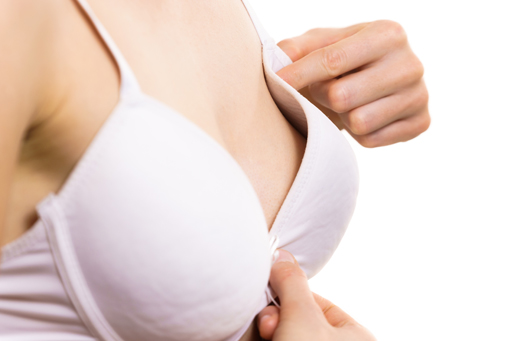
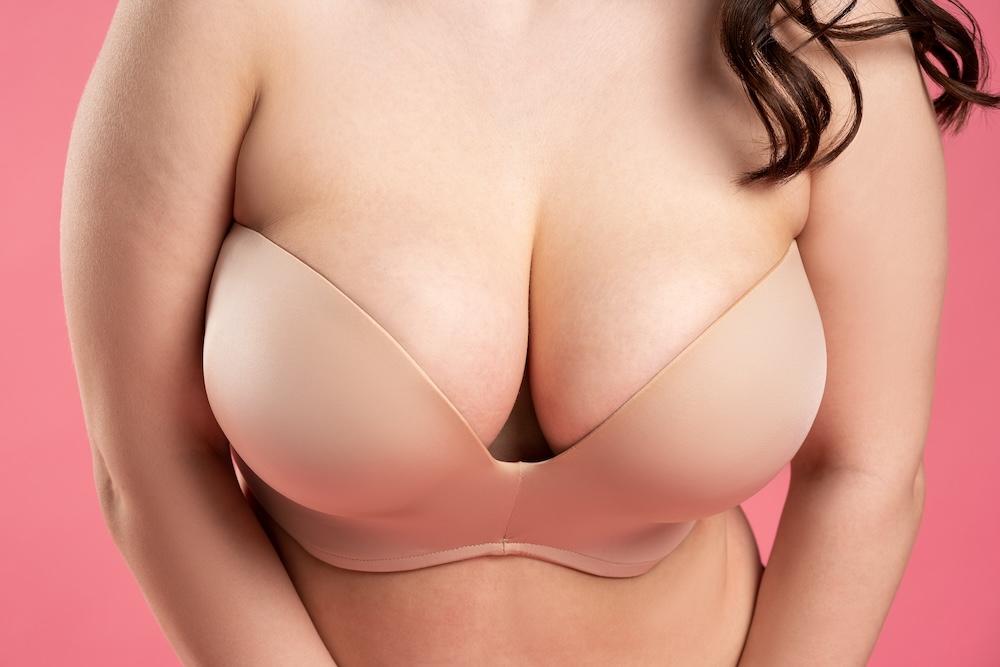
Living with overly large breasts can affect nearly every aspect of your daily life, from the clothes you wear to the activities you enjoy to the way you feel in your own skin. If you’ve been struggling with chronic neck, shoulder, or back pain, skin irritation beneath the breasts, or difficulty finding clothing that fits, you’re not alone. Breast reduction surgery is one of the most life-changing procedures we offer, and Dr. Neil Zemmel and our team are here to help you understand your options and feel confident every step of the way.
What Causes Macromastia (Large Breasts)?
Large breasts can lead to health concerns for many people over time. The causes of macromastia or enlarged breasts can include genetics, hormonal changes, drug use, and overall weight gain. Excluding drug use and significant weight gain, oversized breasts cannot be prevented and often cannot be remedied without breast reduction surgery.

More and more women are discovering the life-changing potential of reducing their overly large breasts for a more proportionate and balanced breast size.
Am I a Good Candidate for Breast Reduction?
The breast reduction procedure can be performed for various medical and cosmetic reasons. Although many women decide to seek surgery due to the physical discomfort and burden of living with enlarged breasts, cosmetic improvement is often an added benefit. Chronic pain in the neck, shoulders, and back are common side effects of overly large breasts, and many women find it difficult to find properly fitting bras and clothing, which can further exacerbate their pain. In addition, rashes are prone to developing underneath the breasts and may not always respond to medical treatment, making surgery the final step for many women to get relief. If you can relate to any of these issues, you may be a candidate for breast reduction surgery.
The purpose of the breast reduction procedure is to remove excess breast tissue and skin, as well as elevate the nipple and areola. Reduction surgery is performed similarly to breast lift surgery, except in addition to lifting the breasts to a more youthful position, your surgeon also removes the extra tissue to create a smaller, more round breast shape.
To be a good candidate, you should be in generally good health and have realistic expectations of your breast reduction results. Dr. Zemmel will discuss your needs in detail to ensure you have a proper understanding of what your surgery will entail. This can help you stay informed throughout the process as your surgeon carries out your personalized treatment plan.
Our breast reduction patients who are living with chronic pain due to enlarged breasts often report feeling an improvement immediately after surgery. As their bodies continue to adapt to the newer, lighter breast size, patients tend to feel comfortable with being more active, which can ultimately help them improve their overall health.
Who Is Not a Good Candidate for Breast Reduction?
Breast reduction is considered a safe and effective procedure for many women, but it isn’t the right fit for everyone. You may be advised to wait or explore other options if you are currently pregnant or breastfeeding, as breast tissue changes significantly during this time and it’s best to wait until your breasts have stabilized. Women who plan to have children in the future should also keep in mind that future pregnancies can affect breast size and shape and may alter surgical results.
Smoking and nicotine use significantly impair healing and increase the risk of complications, so your surgeon will ask you to stop well in advance of any procedure. Uncontrolled medical conditions such as diabetes or a bleeding disorder will also need to be properly managed before moving forward. And as noted above, reaching a stable weight beforehand will help you achieve the best long-term outcome.
If any of these circumstances apply to you right now, that doesn’t necessarily mean surgery is off the table permanently. Dr. Zemmel is happy to discuss where you are in your health journey and help you determine when the timing may be right.
What Are the Weight Requirements for Breast Reduction?
Typically, for most insurance companies to assist in paying for breast reduction surgery, the procedure must be considered a “true breast reduction surgery” that is medically necessary. In order for their surgery to be considered a true breast reduction or medically necessary, patients will need to have at least 200 to 350 grams of tissue removed from their chest area. For other insurance companies, the amount of grams removed may be increased to 700 to 800 grams. The weight of your excess breast tissue is just one of multiple factors that contribute to your potential insurance coverage for breast reduction.
Should I Lose Weight Before Breast Reduction Surgery?
Breast reduction surgery, as well as many other surgical contouring procedures, is not designed to help you lose weight. For breast reduction surgery, if you are not at or near your target weight, you may be encouraged to lose weight by following a healthy diet and exercise regimen in order to decrease your overall weight prior to your procedure. In addition to reducing potential risks related to your surgery, being at a healthy weight can help you achieve better long-term results. Otherwise, if you lose a significant amount of weight following your procedure, your results may be altered or changed by your dramatic weight change.
When Is the Best Time for Breast Reduction Surgery?
Large breasts that are causing back and neck pain can impact women of all ages. Dr. Zemmel recommends that most patients wait until they are 18 years or older before they consider breast reduction surgery. However, in certain circumstances, some women younger than 18 may qualify for breast reduction surgery based on their condition. Dr. Zemmel reviews each patient individually, and all decisions are made on a case-by-case basis.
Can My Teen Have a Breast Reduction?
 Teenage breast reduction is typically performed on those who feel self-conscious, experience neck and shoulder pain, and/or have difficulty finding clothes that fit due to their enlarged breasts. This physical and emotional discomfort can take a toll on how young women interact with others as well as their overall quality of life. Studies have shown that by offering breast reduction for teens who are good candidates for the surgery, the pros far outweigh the cons.
Although weight loss may help reduce breast size in some patients, this is not always appropriate and often doesn’t significantly improve their breast concerns. As a result, Dr. Zemmel strives to educate his teen patients about breast reduction, helping them make an informed decision about their well-being. He has found that by addressing these patients’ concerns related to oversized breasts and not waiting years down the road, young women can be more confident and live their lives without feeling hindered by their breasts. While there is not an ideal age for undergoing breast reduction, some insurance providers require patients to be at least 16 years old.
Can I Get a Second Breast Reduction?
Yes, a second breast reduction is possible for patients whose breast size has increased or changed significantly after an initial procedure. This can happen due to weight gain, pregnancy, hormonal changes, or simply the natural aging process. While a second surgery is generally safe for good candidates, it can be more complex than the first, as your surgeon will need to carefully work around existing scar tissue.
If you feel your original results have been affected over time, your surgeon will evaluate your current breast tissue, skin quality, and overall health to determine whether a revision procedure is appropriate. As with any surgery, being in good general health and having realistic expectations are key. Dr. Zemmel will take the time to understand your concerns and help you decide on the best path forward.
Learn if You’re a Candidate for Breast Reduction Surgery
There are many benefits to breast reduction surgery, and our plastic surgeon wants to help you discover the best solution for your cosmetic or medical concerns. To find out if you are a good candidate for a reduction, please contact us to set up your consultation.